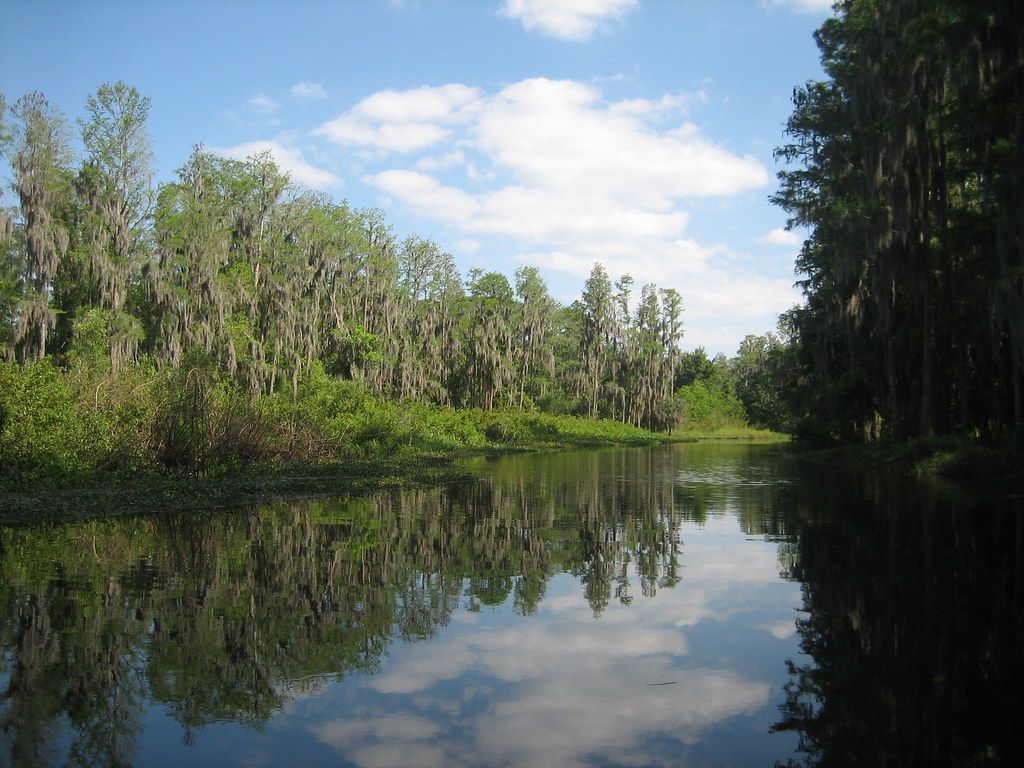
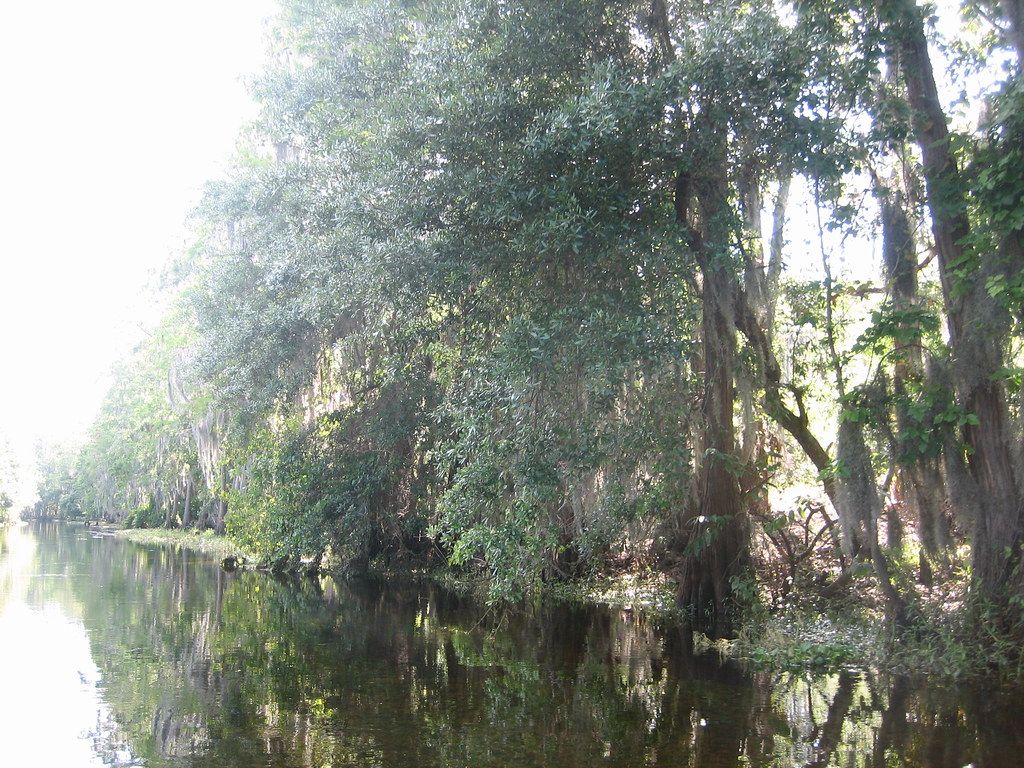
Shingle Creek is a slow, dark-water stream that runs from the south side of Orlando through Kissimmee to Lake Tohopekaliga. It is lined with old cypress trees and Spanish moss, and for long stretches you would never guess that a city sits just beyond the trees. It is the northernmost headwater of the Everglades: the water that flows down this creek passes through the Kissimmee chain of lakes, down the Kissimmee River and into Lake Okeechobee, before it heads south towards the Everglades.
For a villa group, it is one of the easiest ways to get onto the water, with a short drive and calm paddling.
A swamp in the middle of town
The creek takes its name from the cypress shingles that settlers once cut along its banks. Today much of the land beside it is protected as Shingle Creek Regional Park, a set of connected sites with trails, paddling launches and historic buildings. A paved trail runs along part of the creek, good for walking and cycling, and boardwalks lead into the swamp.
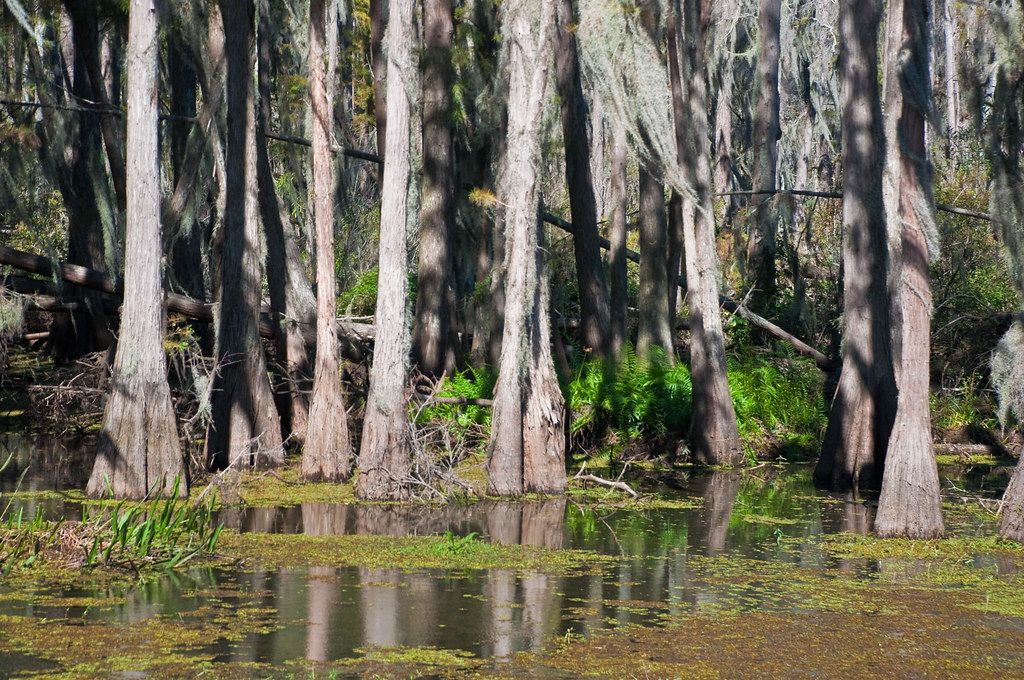
The swamp itself is a cool, shaded world of cypress knees, ferns and still water. Bald cypress trees grow straight from the creek, their trunks flared at the base, and turn a rusty brown in late autumn before dropping their needles for winter.
Kayak routes
Paddlers usually start from one of the park's launches, where kayaks and canoes have been available to rent in recent years. You can also bring your own, if you have a way to carry it.
Most routes are out-and-back paddles, so you can choose how far to go. The creek winds between the cypress, sometimes wide and open, sometimes narrow and twisting, with low branches and fallen trees to steer around. Paddling is calm and suits beginners, but some stretches need care. Allow two or three hours for a relaxed trip, with time to drift and watch for wildlife.
- Everyone should wear a life jacket on the water.
- Pair weaker paddlers with stronger ones, and put younger children in the middle of a tandem kayak.
- Stay together, and agree a turnaround time before you set off.
- Keep phones, keys and car keys in a dry bag.
 Another dayThe Disney Wilderness Preserve
The Steffee homestead
Part of the park preserves a small pioneer homestead from the days when this was farming and cattle country. The Steffee family homestead includes old buildings and a simple farmhouse, giving a glimpse of rural life in the area long before tourism. The buildings are open on some days and at certain times. Even when they are closed, the grounds make a pleasant stop.
Water levels
Shingle Creek changes with the seasons. In the dry months, from late winter into spring, the water can be low, exposing logs and shallow spots; you may need to get out and pull a kayak over a fallen tree. In the rainy season, from early summer, the creek rises, spreads into the swamp and runs faster.
After heavy rain or a storm, paddling can be closed or unsafe, with strong currents and debris. Check conditions before you go. In summer, plan to paddle in the morning, because the afternoon thunderstorms are dangerous on the water. The guide to storms and heat explains the daily pattern.
Wildlife on the creek
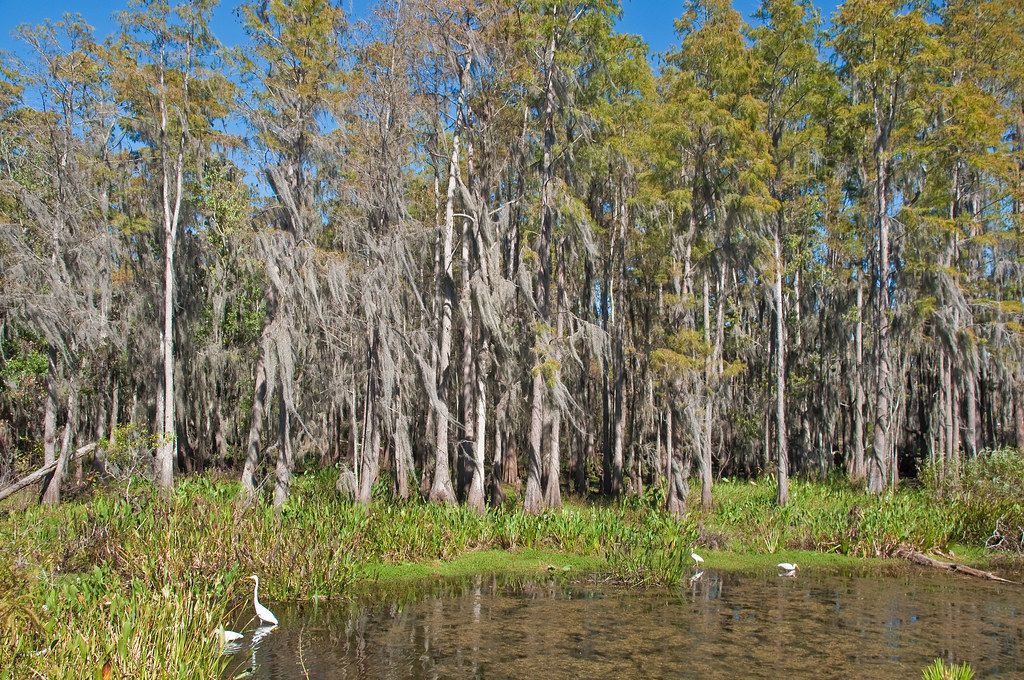
Paddling quietly is one of the best ways to see Florida wildlife. Turtles bask on logs and slide into the water as you pass. Herons, egrets and ibis wade the shallows, and anhingas dry their wings on branches. You may see river otters, wild turkeys, owls or an osprey hunting overhead.
Alligators live here too. Most slip away quietly, but give any you see plenty of room, and never paddle towards one or between a large adult and young alligators. Do not swim in the creek. The guide to who else lives at the villa explains the rules.
Bring insect repellent. Mosquitoes can be thick in the swamp at dawn and dusk and in the wet season.
Spring and autumn bring migrating songbirds through the cypress, and winter is the best season for seeing wading birds and basking turtles, when the cooler air brings animals out into the sun. Move slowly, keep voices low and let the kayak drift around each bend; you will see far more than a group racing to a turnaround point. Never feed any animal on the creek, and take every scrap of litter home with you.
Planning a morning on the creek
From the villa area, the drive to the park is about twenty-five minutes. Go early, especially in summer, to beat the heat and the storms. Bring water, sunscreen, a hat and a light, long-sleeved top for sun on open stretches.
Not everyone in a villa group has to paddle. Grandparents and small children can walk a stretch of the paved trail or a boardwalk into the swamp, look round the homestead grounds and meet the paddlers back at the launch. It makes a good half-day outing for mixed ages, with everyone back at the house for lunch and a swim.
The creek runs into Lake Tohopekaliga, and the wider lakes beyond are a different kind of paddling, open and exposed to wind. If you want to explore further, the lakeside towns are close; the guide to St. Cloud and East Lake Toho covers the next lake east. For the bigger story of how this water reaches the Everglades, see the Kissimmee River.