From above, Winter Haven looks more like water than land. The town is scattered among dozens of lakes, large and small, and many of them are joined to each other by narrow canals. You can travel from one lake to the next by boat without ever leaving the water. For a villa group looking for a slower, local day away from the crowds, it is an easy and rewarding trip, about 45 minutes from Four Corners.
Lakes joined by canals
The lakes of the Winter Haven area sit on the edge of the Lake Wales Ridge, in the hollows of an old sandy landscape. In the early twentieth century, local boosters and landowners began cutting canals between them, partly for boating and partly to sell lakefront land. Over the years the canals linked the lakes into two main groups, usually called the northern and southern chains.
The southern chain is the larger and better known, a string of lakes such as Lake Howard, Lake May, Lake Shipp, Lake Eloise and Lake Hartridge, threaded together by short canals under low bridges. The northern chain, around Lake Conine and Lake Haines, is a little quieter. Together they make one of the best-known lake systems in Florida, and you will see everything from fishing boats and pontoons to water skiers and kayaks on a fine weekend.
Boating and paddling in general
The easiest way to enjoy the lakes is from the water. Boat and pontoon rentals and guided outings operate around the chain, and public boat ramps give access for anyone bringing their own craft. Kayaks and paddleboards suit the smaller, calmer lakes and the canals, which are narrow and shaded in places.
- Every child should wear a properly fitted life jacket on any boat or paddle craft.
- Florida has boating rules on speed zones, safety equipment and operator education.
- Wind can pick up quickly on the larger lakes. Paddlers should stay near the shore.
- Summer storms build fast in the afternoon. Watch the sky and head for shore at the first thunder.
Alligators live in all these lakes. They are usually shy of boats, but never feed one or swim near one; feeding them is illegal in Florida. Keep children's hands and feet inside the boat and away from the edge at landings.
Lakeside parks
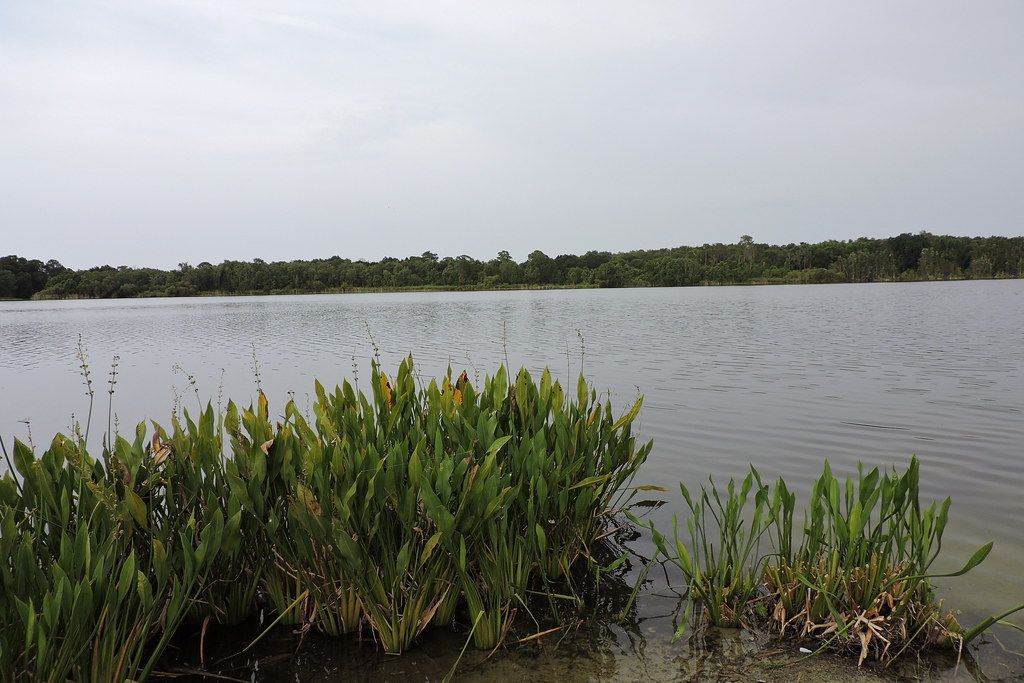
Not everyone in the group will want a day on a boat. Many of the lakes have public parks along their shores, with paths, picnic tables, playgrounds and fishing piers. Small parks such as the one at Lake Ned give you a quiet stretch of water to sit beside, with pickerelweed and reeds along the edge and wading birds hunting in the shallows.
The parks are flat and easy, which makes them good for grandparents and small children. A late-afternoon picnic by a lake, as the light softens and the herons come in to feed, can be one of the most restful hours of a villa week.
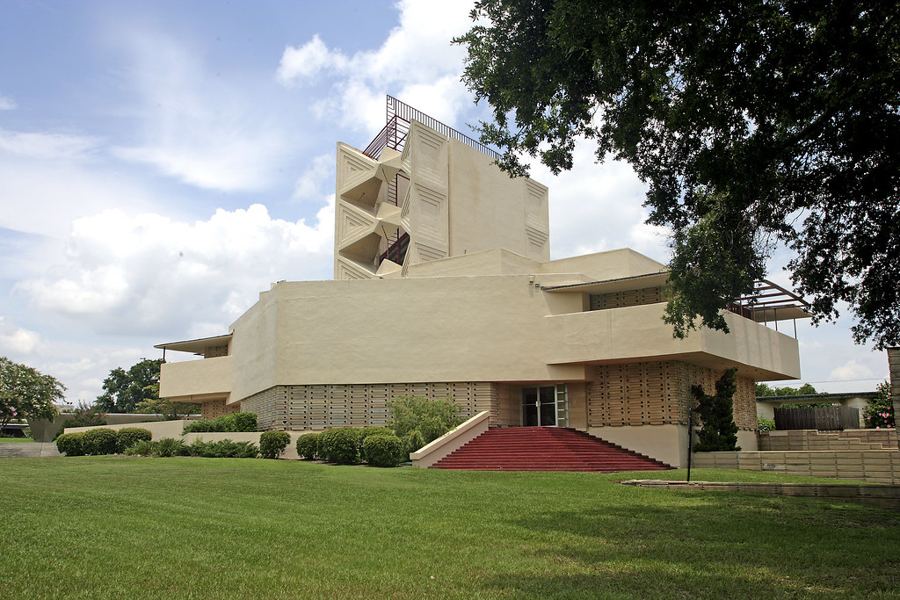 Another dayLakeland's Frank Lloyd Wright campus and lakes
Downtown and the old town
Winter Haven's downtown is compact and walkable, with a central park, a few streets of older buildings and a calendar of local events. It is not a big shopping destination, and that is part of its appeal: a stroll, a cold drink and a look at the old storefronts, with none of the rush of the tourist corridor around the villa.
The town grew in the early 1900s as a citrus and resort town, and the older streets near the lakes still show that history in their bungalows, palms and early-century houses. Postcards from the mid-century years show wide streets, flowering trees and tidy lakefront lawns, and in some neighbourhoods not much has changed.
Cypress Gardens, in passing
For much of the twentieth century Winter Haven was best known for Cypress Gardens on Lake Eloise, a botanical garden famous for its water-ski shows and its southern-belle hostesses. It closed in the 2000s, and the site is now home to a theme park, though part of the old botanical garden survives there. For older members of the group, especially grandparents who remember the postcards and television specials, it is a reminder of how Florida tourism looked before the big Orlando parks.
Citrus on the Ridge
Winter Haven was built on oranges. The sandy hills around the lakes were planted with groves, and packing houses and processing plants lined the railway. The town became one of the centres of the Ridge citrus industry, and citrus festivals and agricultural shows were part of local life for generations.
Freezes, development and citrus greening have since taken a heavy toll, and many old groves are now housing. But you will still drive past working groves on the way in, and in late winter and early spring the scent of orange blossom can drift across the roads. The story of citrus country along the Ridge makes a natural companion to a day here.
Fitting it into your week
Winter Haven pairs well with a morning in Lakeland to the west, or with the scrub walks and lakes of Lake Wales to the south-east. Come in the cooler months for comfortable walking and boating, start early in summer.
It also makes a good rest-day outing. The drive is short, the parks are flat and shady in places, and nothing about the day needs to be rushed. An unhurried morning on the water and an early afternoon back at the villa pool is a pattern that suits most groups.