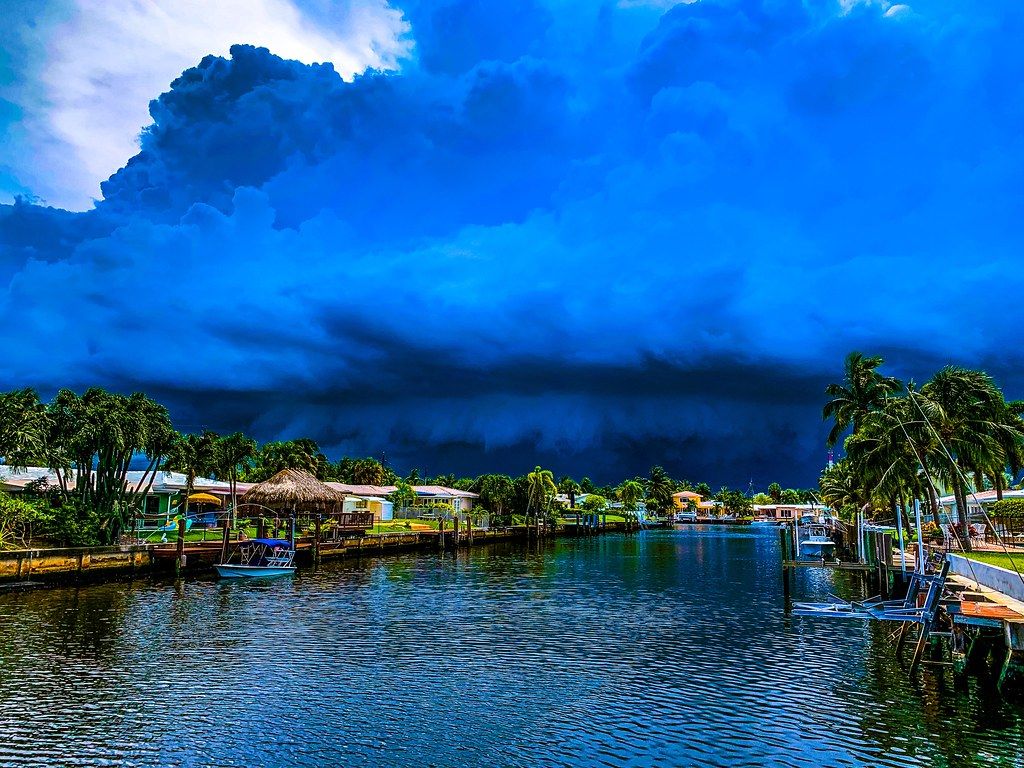
Central Florida weather is easy to read once you know its habits. Winter and spring are mostly dry and mild. Summer is hot, humid and stormy, with a pattern so regular you can almost set a clock by it. And from June to November there is the background chance of a tropical storm or hurricane. None of this needs to spoil a villa week, but all of it is worth understanding before you go.
The afternoon storm
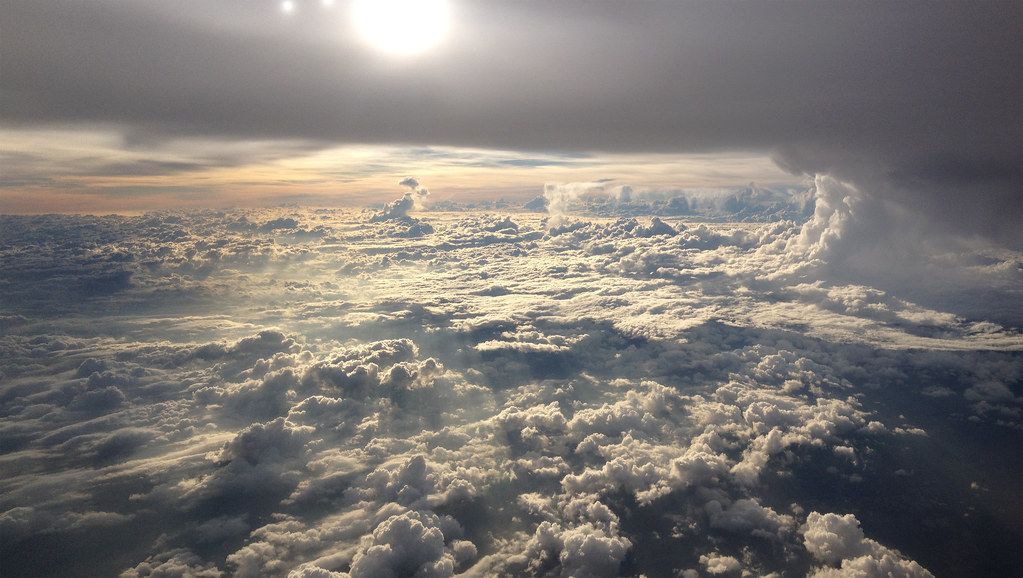
From roughly late May to early October, a typical summer day starts bright and clear. By late morning the air is heavy and the first tall clouds are building. Sometime in the afternoon, often between two and five, the sky darkens, the wind picks up and a thunderstorm breaks, with heavy rain, gusty wind and a lot of lightning. An hour or so later it has usually passed, the air is a little cooler, and the evening is calm.
The storms grow out of the day's heat and the sea breezes from both coasts meeting over the middle of the peninsula, which is why inland areas like the villa belt see so many of them. Plan around them: do the outdoor things in the morning, be back at the house or somewhere indoors by mid-afternoon, and keep the evening for a swim once the storm has gone.
Lightning
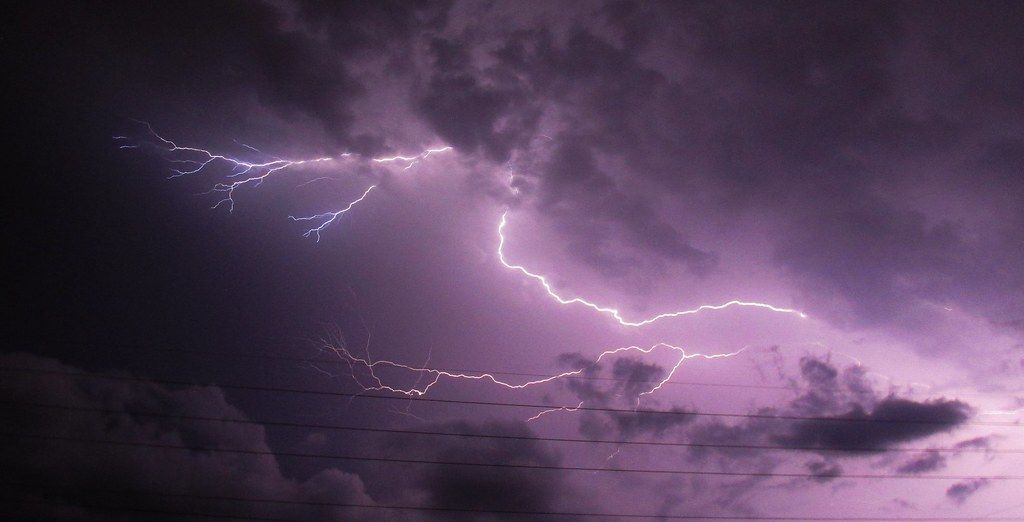
Central Florida has a reputation as the lightning capital of the country, and in summer the strikes are frequent and close. Lightning can strike several miles ahead of the rain, so a blue sky overhead is no guarantee of safety.
- At the first thunder, everyone out of the pool, off the lawn and indoors.
- A screened lanai or open pool enclosure is not a shelter. A solid building or a hard-topped car with the windows closed is.
- Stay off golf courses, open fields, lakes and beaches during storms.
- Wait until well after the last thunder before going back out. A common guideline is thirty minutes.
This matters most at the pool, and the guide to pool safety treats it as one of the house rules. It also matters on the water and on open nature trails, where you may be some way from shelter.
Heat and humidity
Summer temperatures are high, but it is the humidity that makes Florida heat hard. The heat index, which combines temperature and humidity to give a feels-like figure, is often well above the actual temperature on summer afternoons. Sweat does not evaporate easily, so the body struggles to cool itself.
 Another dayWho else lives at the villa
Small children, older people and anyone with a health condition feel it most, and the guide to three generations in one house has more on looking after both ends of the family. For everyone:
- Drink water steadily through the day, not only when thirsty.
- Plan outdoor activity for early morning and evening.
- Wear light, loose clothing, a hat and sunscreen.
- Know the signs of heat exhaustion: headache, dizziness, nausea, heavy sweating, unusual tiredness. Move into air conditioning, cool down and drink.
- Never leave a child or pet in a parked car, even briefly.
Long days out in summer, especially in crowded theme parks with long queues in the sun, are where heat catches people out. The guide to park days from a villa base suggests coming back to the house for the hottest hours.
Hurricane season
The Atlantic hurricane season runs from 1 June to 30 November, with the most activity usually from August to October. Most weeks in that window pass with nothing more than ordinary summer storms. Central Florida is inland, which spares it the storm surge that threatens the coasts, but strong wind, heavy rain, flooding and power cuts can still reach it when a hurricane crosses the state.
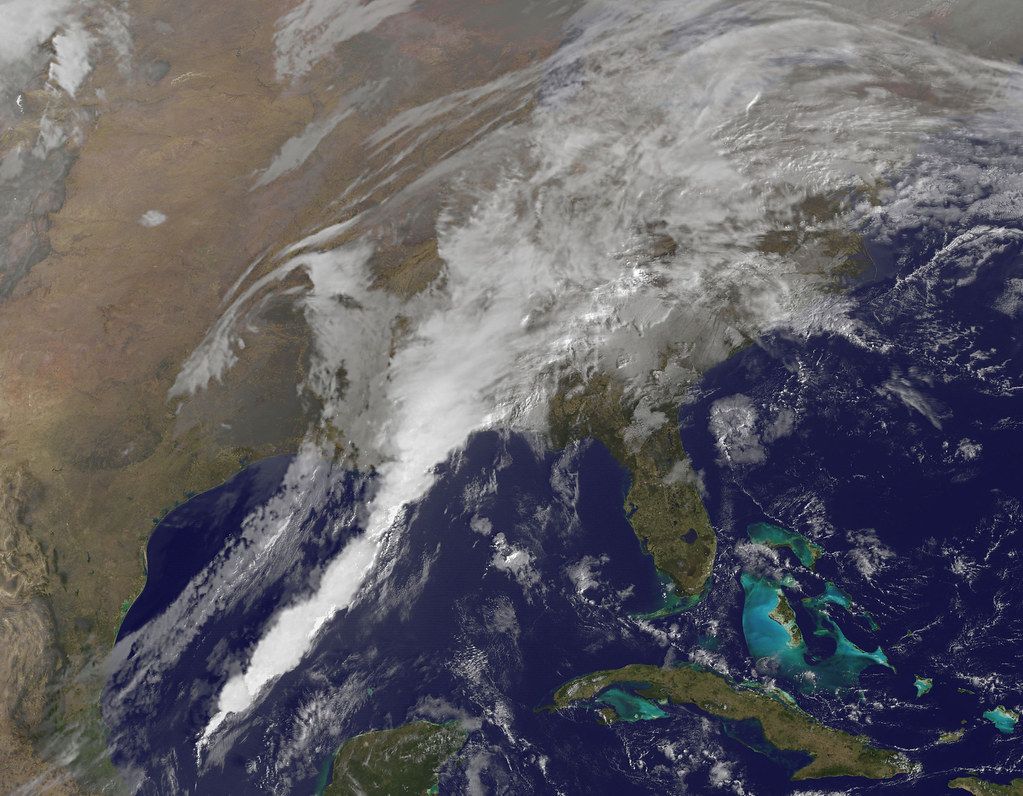
Tropical storms and hurricanes are usually forecast days in advance, so there is time to plan. If you are travelling in season:
- Check that your travel insurance covers hurricane disruption, and read the conditions.
- Watch the official National Hurricane Center forecasts in the week before you fly.
- Keep an eye on airline and accommodation policies for storm cancellations.
If a storm is forecast while you are there
Follow official forecasts and the instructions of the local county emergency management office. They will say if evacuation or other action is needed for your area. Do not rely on social media rumours.
Simple preparation at the villa helps:
- Find out from whoever manages the house what the plan is for storms, and where shutters or storm panels are kept if the house has them.
- Bring pool furniture, toys, grills and anything else loose inside the house or garage before the wind arrives.
- Stock up on drinking water, food that needs no cooking, medicines and baby supplies.
- Charge phones and power banks, find torches, and fill the car with fuel early, before queues form.
- Keep away from windows during the storm, and stay off the roads.
After the storm, stay out of flood water, keep clear of fallen power lines and do not wade near ponds or lakes, where alligators and snakes may have been pushed into new places.
The dry, mild months
From about November to April the weather is a different story. Days are mostly sunny and dry, humidity is lower, and thunderstorms are rare. Mornings can be cool enough for a jacket in midwinter, and the occasional cold front brings a few chilly days. The pool may need heating to be comfortable for swimming, so check whether the house has a heater and whether it costs extra.
For nature trips, the dry season is also the best time to see birds and alligators gathered around the remaining water, and to walk the trails without the heat and the mosquitoes.