Highlands Hammock is one of the oldest parks in Florida's state park system, and it feels like it. Big live oaks lean over the road, cypress knees crowd the edges of dark water, and a narrow wooden boardwalk takes you right into a swamp that has been left to grow for a very long time. It sits just west of Sebring, about an hour and a half south of the villa, and it is one of the easiest wild places in central Florida to share with every generation at once.
A park with a long history
Local people pushed to protect this hammock in the late 1920s, when much of the surrounding land was being cleared for farms and groves. The area opened as a park in the early 1930s and became one of the first parks when Florida set up its state park system.
Much of what you use today was built by the Civilian Conservation Corps, the Depression-era programme that put young men to work on public land across the country. Crews based here built roads, bridges, buildings and trails in the 1930s. A small museum in the park tells their story with photographs, tools and everyday objects from camp life. It is a good stop for older children, and for grandparents who may remember stories of those years from their own families.
The cypress swamp boardwalk
The best-known walk in the park follows a boardwalk and catwalk through a cypress swamp. Bald cypress trees rise straight out of the tea-coloured water, their trunks wide and fluted at the base, with knees poking up all around. Ferns and air plants grow on every branch. In the wetter months the water lies right under your feet; in the dry season it shrinks back into pools where fish and birds gather.
The boardwalk is narrow in places, with water close on both sides, so hold small children by the hand and keep everyone on the boards. Parts of it can close after storms, high water or damage, and sections are rebuilt from time to time.
Giant oaks and short trails
Away from the swamp, a set of short trails loops through the hammock itself. These are mostly flat, shady and easy, ideal for a family that wants to walk for twenty minutes rather than two hours. One of them leads to a huge old live oak, wide enough that it takes several adults to reach around it. Others pass through fern-filled hollows, palm groves and stands of tall pine.
- Pick two or three short trails rather than trying to see everything.
- Bring insect repellent; the mosquitoes can be thick near the swamp, especially in the warm months.
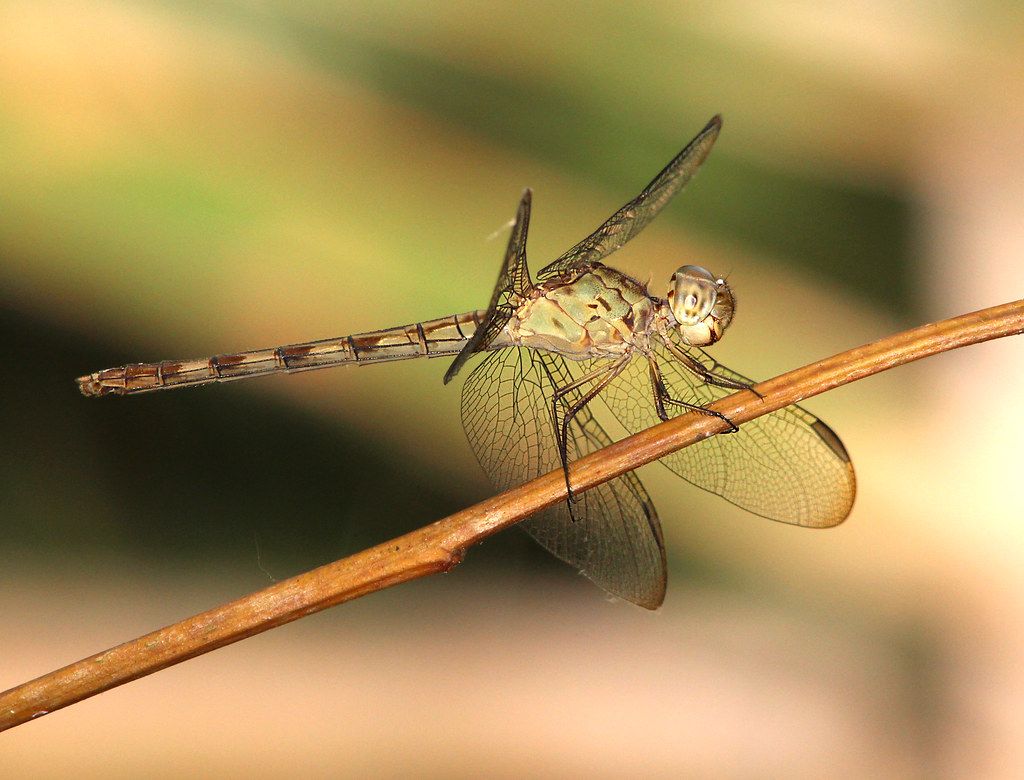
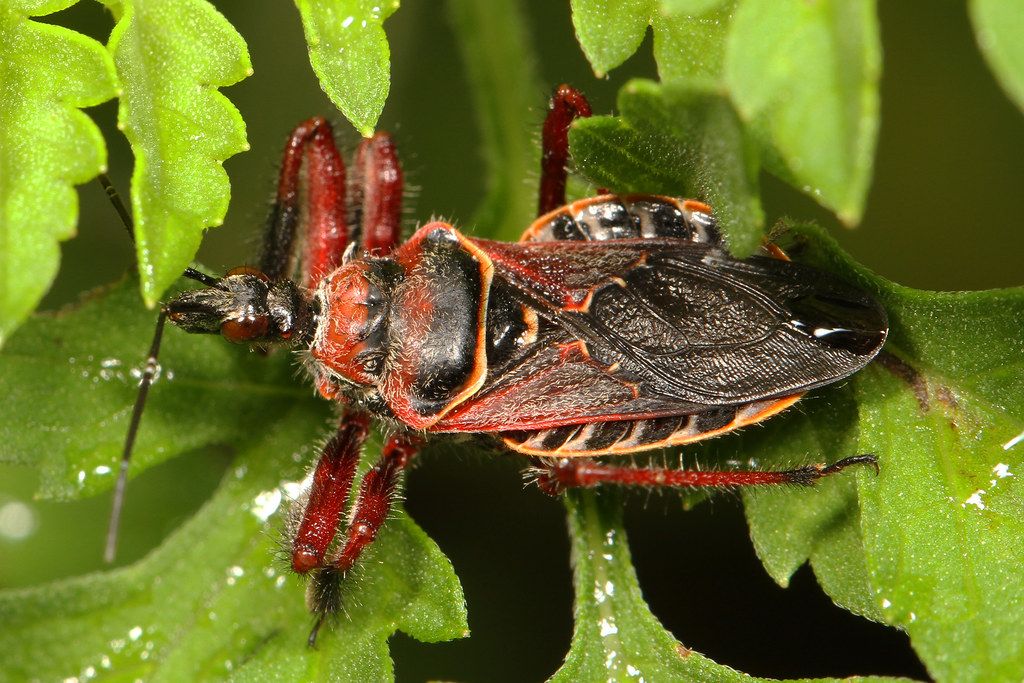
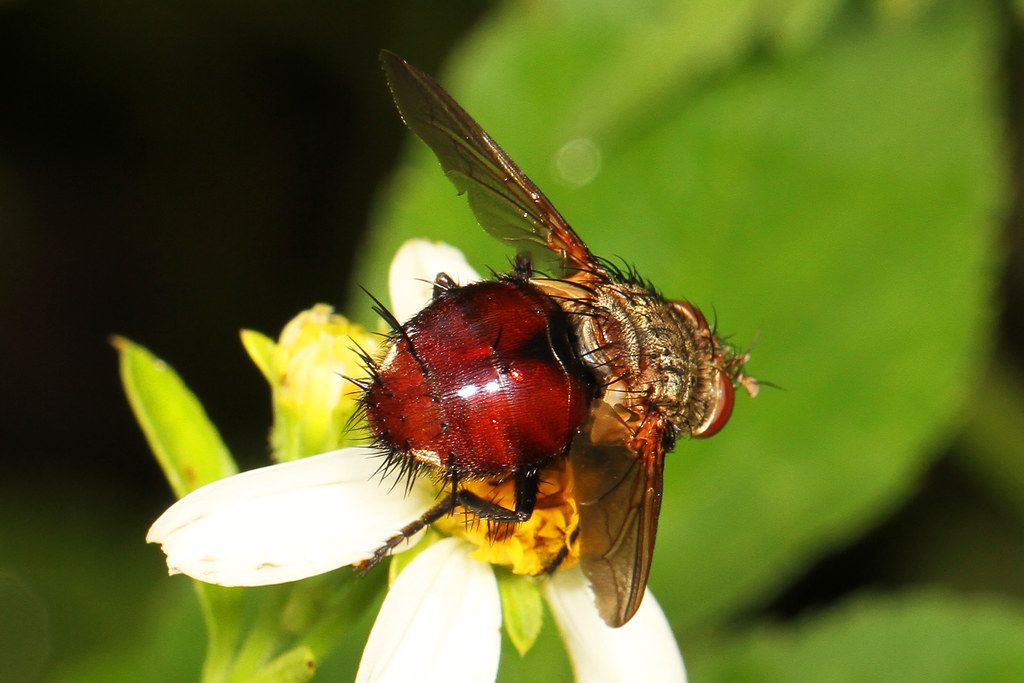
- Look at the small things too. The hammock is full of dragonflies, butterflies and unusual insects.
- Carry water even on short loops, because the humidity under the trees is high.
 Another dayThe Lake Wales Ridge and its scrub
The loop drive and bikes
A paved loop drive runs through the park, connecting the main trailheads, picnic areas and the campground. It is a quiet road with a low speed limit, and many families bring bikes or rent them in the park when rentals are offered. Cycling the loop is an easy way to cover more ground with children who tire of walking, and grandparents who prefer not to walk far can drive from trailhead to trailhead and stroll a short section at each.
Early morning and late afternoon are the best times to drive the loop slowly with the windows down. Deer often graze along the edges, and wild turkeys cross the road without hurrying.
Alligators, owls and other residents
Alligators live in the swamp and the wetter parts of the park, and you may see them from the boardwalk or lying beside the water near the trails. Enjoy them from a distance. Never approach or feed one; feeding alligators is illegal in Florida, and it teaches them to come towards people. Keep children and dogs well back from the water's edge, especially around dusk.
Barred owls are common here and sometimes call in the middle of the day, a loud, rhythmic hooting that carries through the trees. Listen for woodpeckers drumming on dead trunks, and watch the pools along the boardwalk for wading birds, turtles and fish. In the cooler months the bird life is at its richest.
South on US 27 along the Ridge
The drive south on US 27 takes you along the Lake Wales Ridge, through rolling citrus country and past a string of lakes, so the journey is part of the outing. Allow most of a day: arrive mid-morning, walk the boardwalk while it is still cool, picnic under the oaks and head back before the afternoon storms that build in the summer months.
The park has an entry fee per vehicle, picnic shelters and restrooms. If the group wants a second stop, you can break the drive home in Lake Wales for a stroll around its lake. For another park with a strong Civilian Conservation Corps story and plenty of alligators, Myakka River State Park makes a natural pairing on a different day.