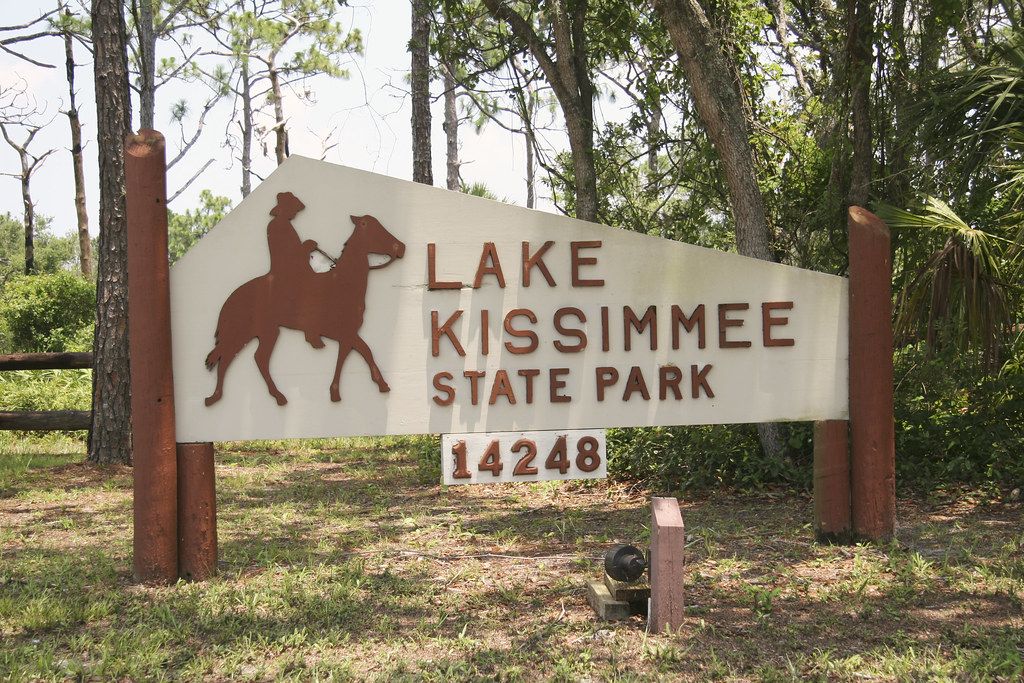
Lake Kissimmee State Park sits on the shores of three lakes east of Lake Wales: Lake Kissimmee itself, one of the largest lakes in Florida, and the smaller Tiger and Rosalie lakes. It is a big, quiet park of pine flatwoods, oak hammocks, open prairie and marsh, with a living-history cow camp, eagles over the water and a sky that turns properly dark at night. From the villa belt it feels like a different Florida, and it is one of the easiest ways to see the cattle country that covered this part of the state long before the theme parks.
The cow camp
The park's best-known attraction is its re-created cow camp, set in 1876. In the years after the Civil War, Florida cattle ran half-wild across the open range of the Kissimmee country, and cattlemen rounded them up and drove them to the coast, where many were shipped to Cuba. The men who did the work were known as cow hunters, or cow men, and the crack of their long whips is one explanation for the old Florida nickname "cracker".
At the camp, volunteers and park staff in period dress talk about life on the range: the food, the work, the weather and the cattle themselves. A small herd of scrub cattle, of the hardy old breed known as Florida cracker cattle, is kept nearby. It is gentle, low-key living history, and it works well for children who have just come from the very different world of the theme parks.
The cow camp is not staffed every day. It has usually been open on weekends and holidays, mainly in the cooler months.
The lake and its eagles
Lake Kissimmee is a wide, shallow lake at the heart of the Kissimmee chain, the string of lakes and rivers that feeds Lake Okeechobee and, beyond it, the Everglades. Its edges are fringed with marsh grasses and cattails, and the open water stretches to a low, distant shore.
The lake is a good place for birds of prey. Bald eagles nest in tall pines around the lakes in the cooler months, and ospreys hunt over the water much of the year. You may also see the snail kite, a rare hawk that feeds almost entirely on apple snails in Florida's lakes and marshes. Herons, egrets, ibis and anhingas work the shallows, and sandhill cranes walk the prairie edges. The shore is a natural place to look for alligators, too, from a safe distance; the guide to who else lives at the villa has the rules about them, and they apply here as much as at the house.
There is a boat ramp and a marina area, and the lake is popular for fishing, especially for largemouth bass. Fishing needs a Florida licence for most adults.
Trails, the tower and the prairie
A network of hiking trails runs through the park, through pine flatwoods, past oak hammocks hung with Spanish moss and out to the edges of the prairie and marsh. Some are short loops near the main day-use areas, others are long enough for a full morning. Separate trails are set aside for horse riding. Paths can be wet after rain and sandy in places, so wear closed shoes.
Near the lake an observation tower lifts you above the trees for a view over the marsh and water, a good spot to scan for eagles, cranes and, in the cooler months, flocks of ducks. It is worth climbing early in the day, when the light is soft and the birds are active.
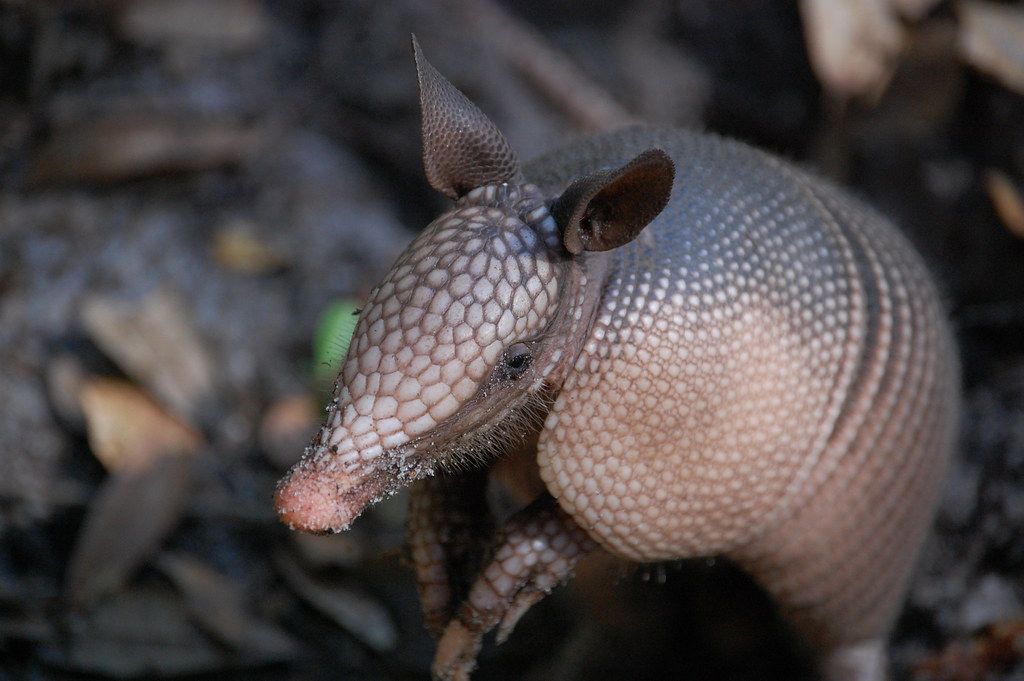
The open, grassy country east of the park is the beginning of Florida's dry prairie, once one of the most widespread landscapes in the middle of the state. It is home to deer, wild turkeys and bobcats, which are most often seen early and late. Armadillos are common in the woods at almost any hour.
 Another dayHighlands Hammock State Park
Fire is part of the life of these woods. The park uses prescribed burns to keep the flatwoods open, so you may pass blackened stretches that turn green again within weeks. Trails can close during and just after a burn.
Dark skies
Far from the lights of the cities, the park has some of the darkest night skies within easy reach of the villa area. On a clear, moonless winter night the Milky Way can be seen over the lake, and the stars come down to the horizon in a way that is impossible back at Four Corners.
Far from the lights of the cities, the park has some of the darkest night skies within easy reach of the villa area.
Seeing it means being in the park after dark, which in practice means camping, as the day-use areas close at sunset. The park has a campground and, at times, special evening programmes.
Planning the day
The drive from the villa area runs south on US 27, past Haines City, to Lake Wales, then east through ranch and citrus country to the park. Allow at least an hour and a quarter each way. It combines well with a morning in the old Ridge town of Lake Wales or a drive along the Lake Wales Ridge.
There is an entry fee per vehicle, as at other Florida state parks. Bring water, snacks or a picnic, sunscreen and insect repellent. Facilities are limited compared with town parks, and you should not count on buying food in the park, so come prepared.
The cooler, drier months from November to April are the best time to visit. The trails are comfortable, eagles are nesting and the mosquitoes are fewer. In summer, go early, be off the open trails by the time the afternoon storms build, and keep the walks short.
Pack for a full day. The nearest shops are back towards Lake Wales, so bring plenty to drink, a cool box with lunch, spare socks for wet trails and a light jacket for winter mornings, which can be surprisingly chilly out on the open prairie. Phone signal can be patchy in parts of the park, so agree a meeting point and time before anyone heads off on a longer trail.
For a family group, a good day might be a gentle loop walk in the morning, the cow camp if it is open, a picnic by the lake and the observation tower before the drive home. Grandparents can rest in the shade while the energetic walk further, and everyone is back at the villa in time for a swim.