Circle B Bar Reserve lies on the northern shore of Lake Hancock, between Lakeland and Bartow. It was once a cattle ranch, and the name comes from the old ranch brand. Today it is public conservation land, and it has become one of the best places in Central Florida to see wading birds and alligators close up, often both at once. For a villa group, it is an easy morning out with a short drive, flat paths and wildlife that rarely fails to appear.
Alligator Alley and the marsh trails
The reserve has a network of mostly flat, unpaved trails through marsh, oak hammock and open meadow, with names such as Alligator Alley, Heron Hideout, Wading Bird Way and Shady Oak. Trail names and routes change from time to time, and some sections close after heavy rain or storm damage; the map at the entrance shows the current loops.
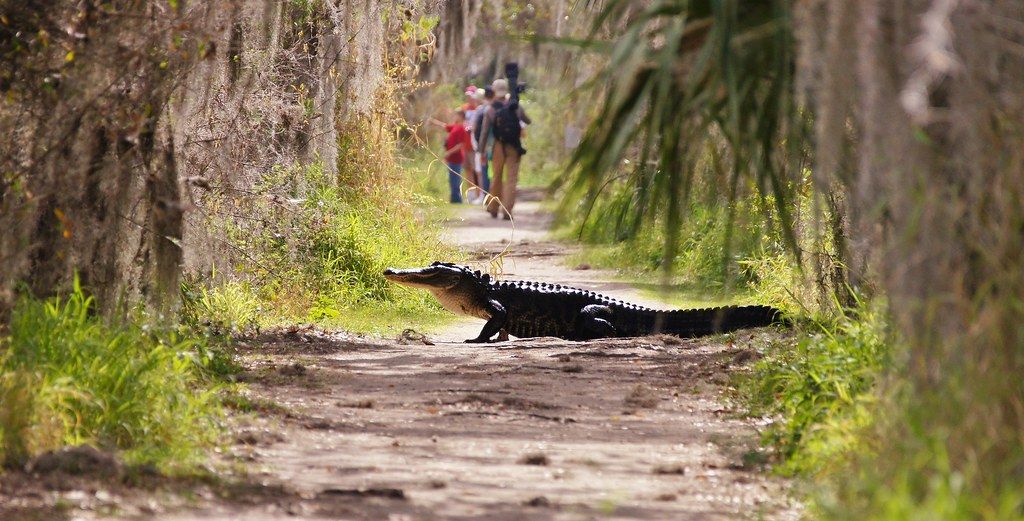
Alligator Alley earns its name. It runs along the edge of the marsh, and on cool, sunny mornings alligators haul out to bask on the banks right beside the path, sometimes across it. It is common to walk past several large animals within a few steps of the trail. Most lie completely still, soaking up the sun, and pay walkers no attention.
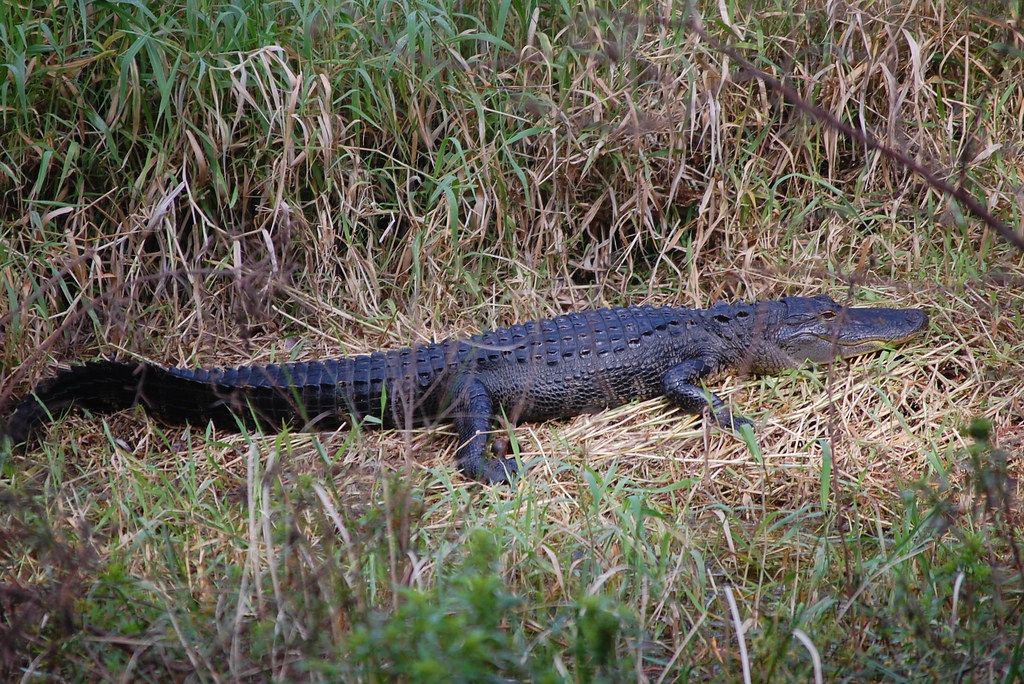
The rules here are the same as anywhere in Florida, and they matter more because the animals are so close.
- Never approach, touch or feed an alligator. Feeding is illegal in Florida.
- Give every alligator plenty of room, and do not stop right next to one for a photo.
- If one is lying across the path, wait for it to move or turn back. Do not step over or around it.
- Keep children beside you, not running ahead, and never let them go to the water's edge.
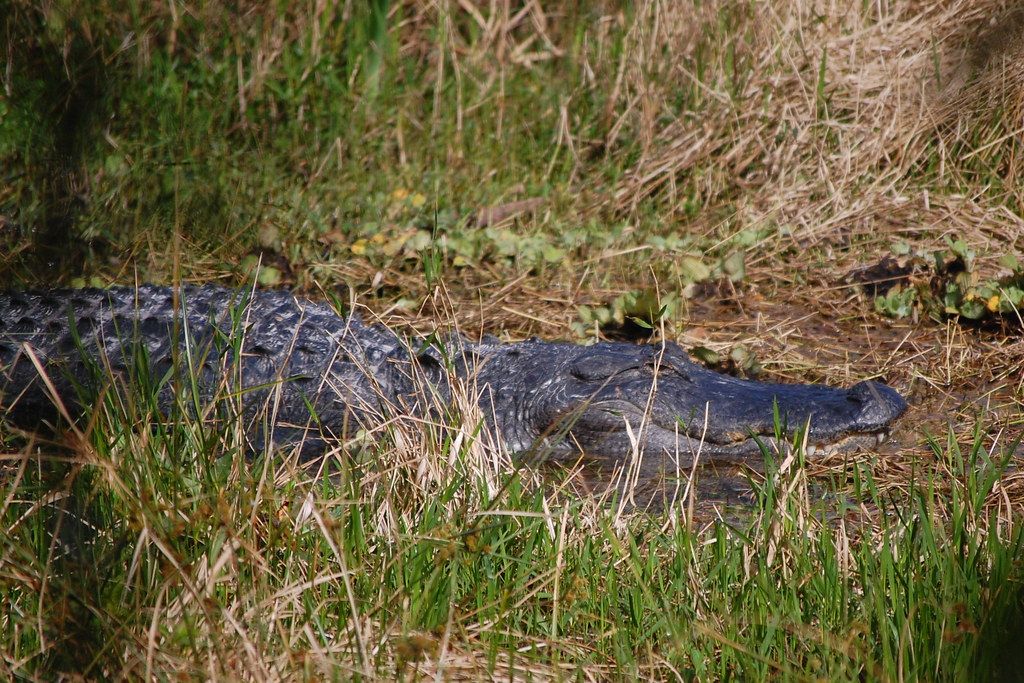
The guide to who else lives at the villa explains why alligators that lose their fear of people become dangerous.
Wading birds on Lake Hancock
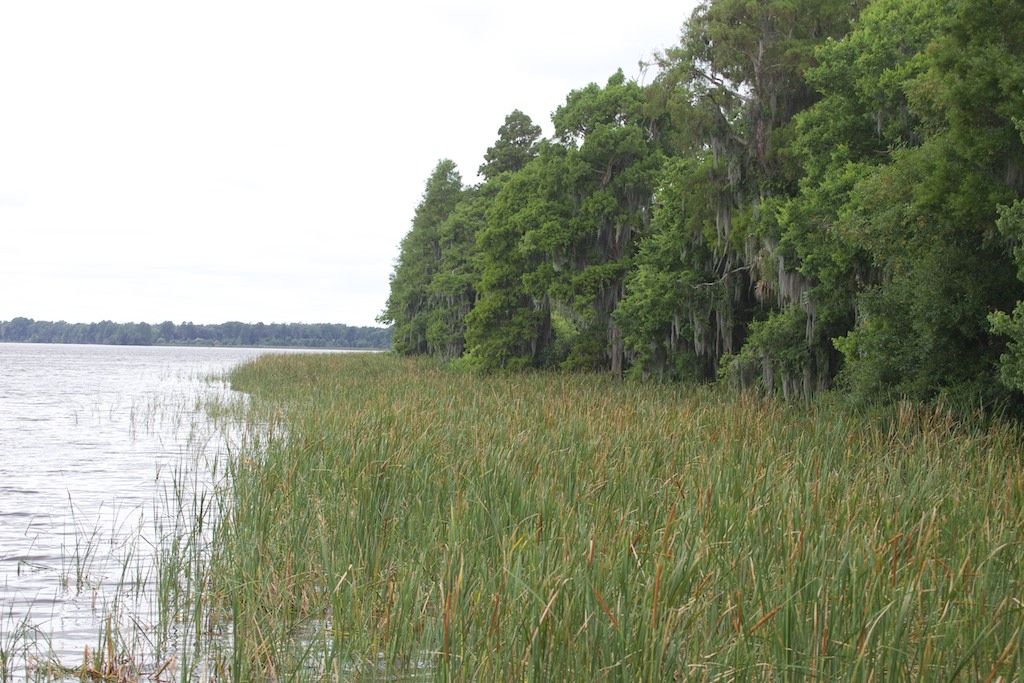
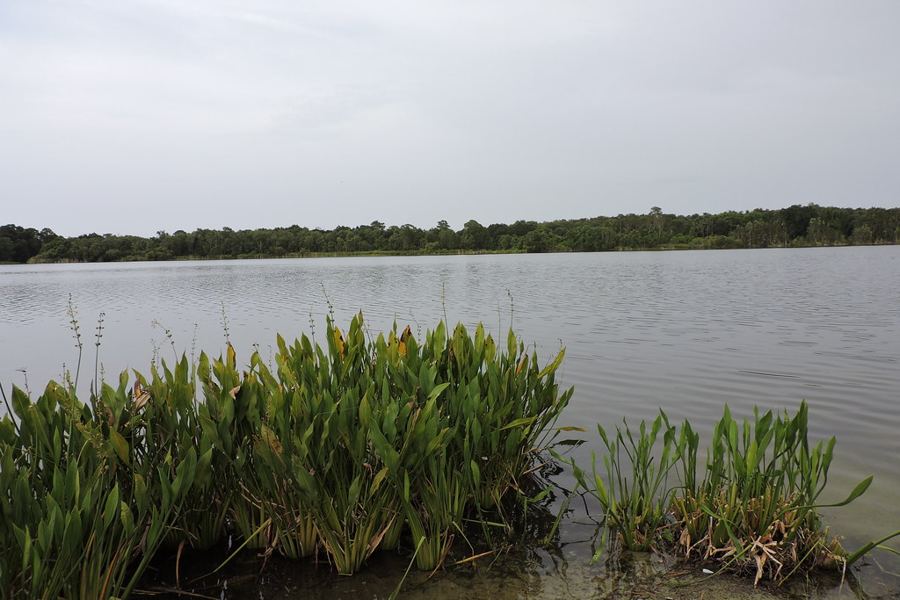
Lake Hancock is a large, shallow lake, and the marshes along its edge are full of birds. Great blue herons, great egrets, snowy egrets and tricoloured herons hunt in the shallows. White ibis probe the mud in busy groups. Roseate spoonbills, pink and unmistakable, sweep their flat bills through the water. Wood storks gather where the fish are easiest to catch. Look too for limpkins, brown wading birds with a wailing call that feed on apple snails, and for purple gallinules stepping across floating plants.
Bald eagles and ospreys nest nearby and hunt over the lake, and in winter flocks of ducks and other visitors join the resident birds. Sandhill cranes walk the open fields. Even without binoculars there is plenty to see, but a pair makes a big difference, and a camera with a long lens is common among visitors.
The birds change with the seasons. Winter and early spring bring the biggest numbers, when migrants arrive from the north and many resident wading birds are in their brightest breeding colours. Late spring is nesting time, and young herons and ibis appear along the marsh edge. In the wet summer months the water spreads and the birds scatter more widely, so sightings are less concentrated, though there is always something to see. Whatever the season, stand still for a few minutes at an open stretch of marsh and let the birds come back into view.
The lake's water drains south towards the Peace River, and the reserve is part of a wider effort to improve water quality in the area. Much of what you see, from marsh to meadow, has been restored from former ranch land.
 Another dayWinter Haven and its chain of lakes
The nature centre
Near the entrance, a nature centre has displays on the reserve's wildlife and habitats, with plenty aimed at children. It is a good place to start, to pick up a map, to ask what has been seen recently, and to cool off in the heat. Opening hours for the centre are shorter than for the trails, and programmes such as guided walks run on some days.
The reserve has parking and restrooms near the entrance, but no food for sale, so bring water and snacks. Entry has generally been free, and opening hours run from early morning to around dusk.
Heat, shade and the best light
Much of Circle B is open marsh and meadow with little shade, and on summer afternoons it is very hot. The Shady Oak trail and other wooded sections offer some relief, but the best plan is to come early.
Early morning is the best time for almost everything here.
Early morning is the best time for almost everything here. The light is soft and golden, the birds are active, and alligators are hauling out to warm up after the night. By late morning in summer, the heat is building and the afternoon thunderstorms are not far away; the guide to storms and heat explains the pattern. In the cooler months, from November to April, the whole day is pleasant, and the birding is at its best.
Wear a hat, light clothing and closed shoes. Insect repellent helps at dawn and dusk. The trails are mostly flat and many are wide, but they are unpaved and can be bumpy for buggies and wheelchairs. Some sections are rougher than others, so ask at the entrance or the nature centre which suit your group best.
Planning a morning
The drive from the villa area takes about fifty minutes, west on Interstate 4 and south around Lakeland. Leave early to arrive soon after the gates open.
A good plan for a family group is a slow walk along Alligator Alley and one or two of the shorter loops, with a stop at the nature centre, finishing before the heat. Allow two to three hours. Afterwards, Lakeland itself is close, with its lakes, swans and Frank Lloyd Wright campus, and you can be back at the villa for a pool afternoon.
Circle B is popular, and on cool winter weekends the car park can fill early. A weekday morning is quieter. Keep voices low on the trails, step aside for photographers with tripods and for cyclists where bikes are allowed, and never use food, calls or recordings to draw birds or animals closer. Take all litter home, including fruit peel.
If you enjoy Circle B, the open marsh and lake country at Lake Kissimmee State Park makes a good second outing, quieter and wilder, with eagles over the water and a living-history cow camp.