Drive south from Four Corners on US 27 and the road starts to roll. It climbs long sandy rises, dips past lakes and climbs again, through orange groves and pine. This is the Lake Wales Ridge, a strip of high ground that runs for more than a hundred miles down the middle of the Florida peninsula, and it is one of the oddest landscapes in the state.
Most visitors drive straight over it on their way somewhere else. Stop for a morning and you find a dry, bright, prickly world of white sand, low oaks and silver-grey shrubs, with birds and plants that live here and nowhere else.
Old dunes down the middle of Florida
Long ago, when the sea stood far higher than it does now, much of Florida was under water and the Ridge was a chain of beach dunes and sandy islands. The sea fell, the peninsula emerged around it, and the old dunes were left high and dry. Plants and animals that had lived on those islands were cut off for so long that many of them became species of their own.
The result is a ridge of deep, fast-draining sand that holds little water near the surface. Rain soaks straight through it. In the hollows between the hills sit dozens of round, clear lakes, and around them the land is some of the highest in peninsular Florida, though high here means a few hundred feet at most.
For a villa group the useful point is simple: the Ridge feels nothing like the swamps and wet prairies you see elsewhere in central Florida. It is closer to a desert in miniature, and it rewards slow walking and close looking.
The scrub, close up
Florida scrub is a low, open forest that rarely grows taller than your head. Scrub oaks with small, leathery leaves grow in thickets. Saw palmetto and scrub palmetto spread their fans across the ground. Sand pine stands here and there, and in the most open places Florida rosemary grows in round, grey-green clumps on patches of bare white sand that locals call rosemary balds.
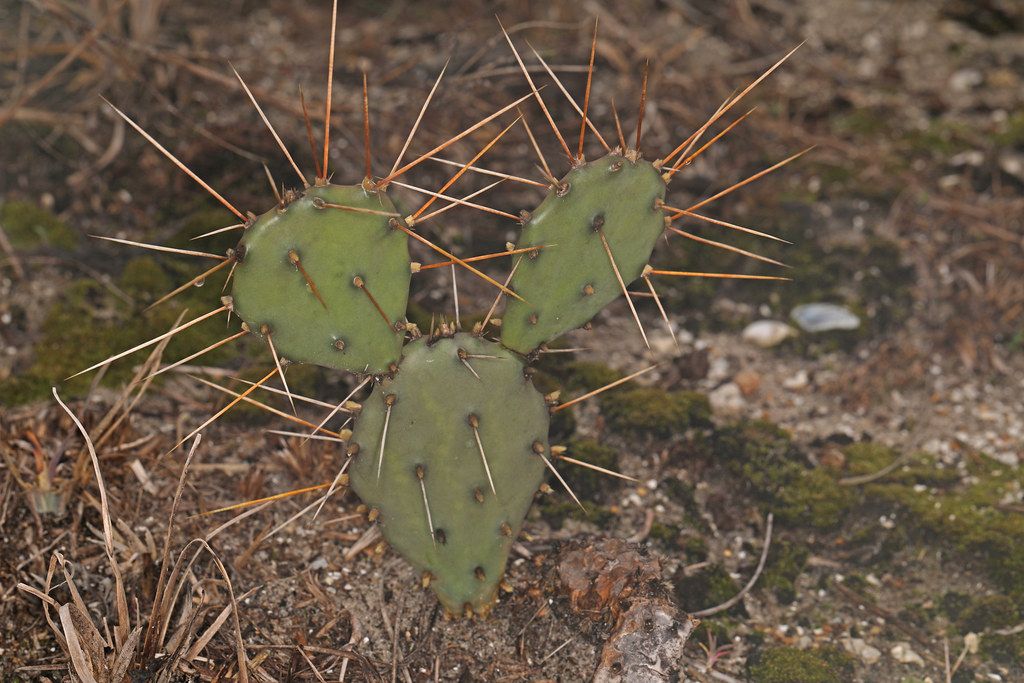
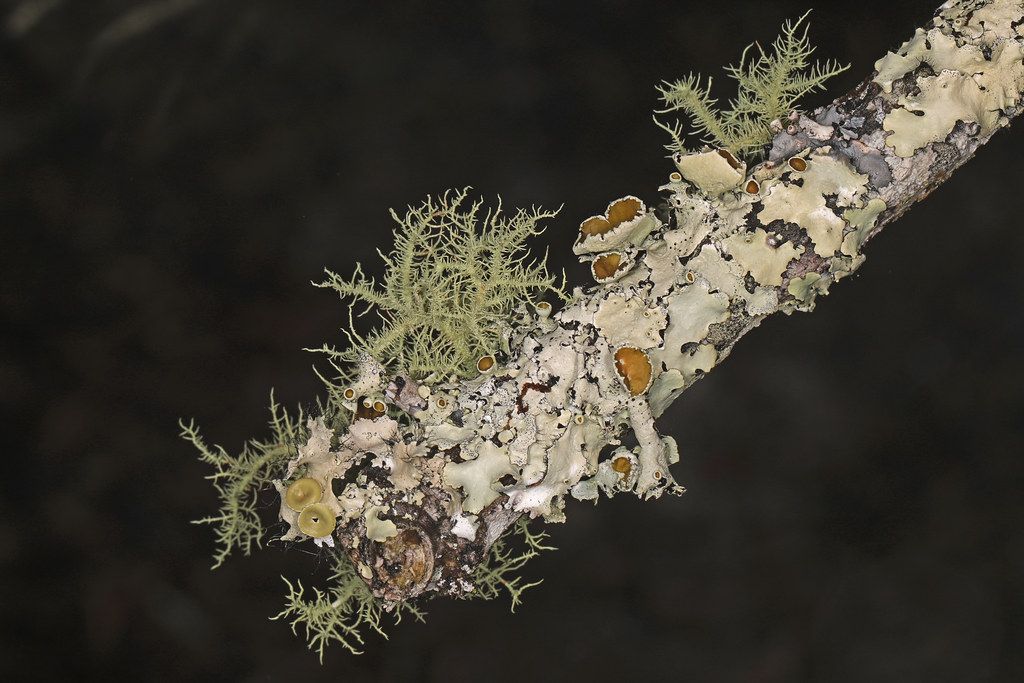
Look down as you walk. Lichens crust the oak branches and spread across the sand in pale, spongy mats. Prickly pear pads hug the ground. Small wildflowers appear after rain, and some of them, along with a handful of shrubs, grow only on this ridge. Several are so rare that they are protected by law, which is one good reason to stay on the trails.
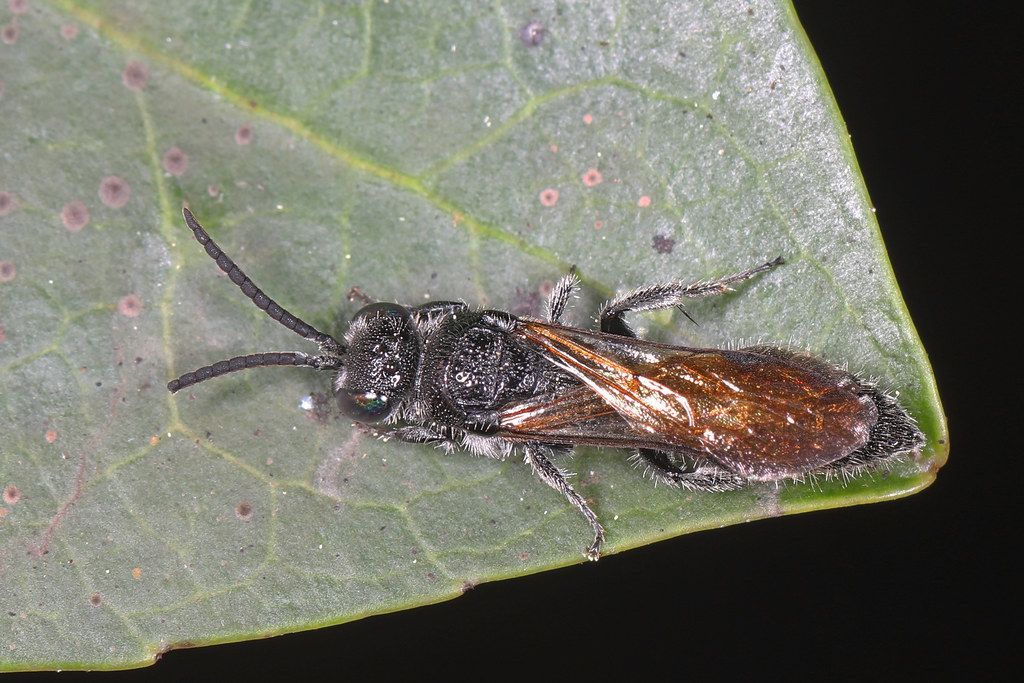
The animal life is just as particular. Gopher tortoises dig long burrows in the sand, and hundreds of other creatures shelter in them. The sand skink, a small lizard with tiny legs, swims through loose sand beneath the surface and is almost never seen. Wasps, beetles and ant lions work the open patches, and the tracks of all of them show up clearly in early light before the breeze smooths the sand.
Looking for Florida scrub-jays
The bird most people come to see is the Florida scrub-jay, the only bird species found in Florida and nowhere else. It is about the size of a blue jay but has no crest: soft blue on the head, wings and tail, with a grey back and a pale front. It lives in family groups that hold the same patch of scrub year after year, and the young birds often stay home for a season or two to help raise their younger brothers and sisters.
Scrub-jays need low, open, regularly burned scrub, and that habitat has shrunk badly as the Ridge filled with groves and houses. They are a threatened species. When you find a family, they are often curious and may perch on a nearby oak to watch you, with one bird standing sentry on a high branch.
- Go early, when the birds are active and calling.
- Listen for a harsh, scratchy call and watch the tops of the oaks.
- Keep your distance, and keep children quiet and still for a minute.
- Do not feed them, however tame they seem. Feeding changes their behaviour and is discouraged on public land.
 Another dayWho else lives at the villa
Where to walk
The Ridge is a patchwork of protected land rather than one big park, and much of it is run for conservation first and visitors second. Facilities are usually basic: a sandy parking area, a trail map and not much else.
- Lake Wales Ridge State Forest, near Frostproof, has sandy forest roads and marked hiking trails through scrub, flatwoods and lake edges. Hunting seasons apply on parts of it.
- Allen David Broussard Catfish Creek Preserve State Park, east of Lake Wales, holds some of the steepest, wildest scrub on the Ridge. The trails are soft sand and the climbs are real.
- Tiger Creek Preserve, near Babson Park, mixes scrub with shady creek-side forest, which makes it gentler on a warm morning.
- Further south, around Lake Placid, smaller scrub preserves and the tracts of the Lake Wales Ridge Wildlife and Environmental Area protect some of the rarest plants of all.
Opening hours, access rules and any entry fees vary from site to site and can change after burns or storms. You can pair a scrub walk with lunch in the old Ridge town of Lake Wales or keep driving to the cypress boardwalk at Highlands Hammock State Park.
Heat, sand and timing
Scrub is beautiful and unforgiving. White sand reflects the sun back at you, there is almost no shade, and walking in loose sand takes more effort than it looks. From late spring to early autumn, the middle of the day is simply too hot for most groups, and afternoon thunderstorms build quickly over the Ridge in summer.
The cool months are the season for this trip. A clear morning between November and March is ideal, with soft light, active birds and comfortable walking. Even then, wear closed shoes against sandspurs and prickly pear, and wear hats.
Controlled burns are part of how the scrub is kept healthy, and you may find a section blackened or a trail closed while a burn is under way. A burned patch turns green again surprisingly fast and is often where the scrub-jays like to forage.
Fitting it into a villa week
The Ridge works best as a half-day outing for the early risers in the group. Leave the villa at first light, walk for two hours, and you can be back by late morning for a swim while the rest of the house is still making breakfast. It suits older children who like to spot things, and grandparents who are steady on soft ground. Toddlers and anyone with mobility trouble will find the sand hard going.
On the drive back, the road runs past mile after mile of citrus groves, many of them planted on the same sandy hills. It is a good moment to explain to the children why oranges and scrub-jays ended up competing for the same high ground.