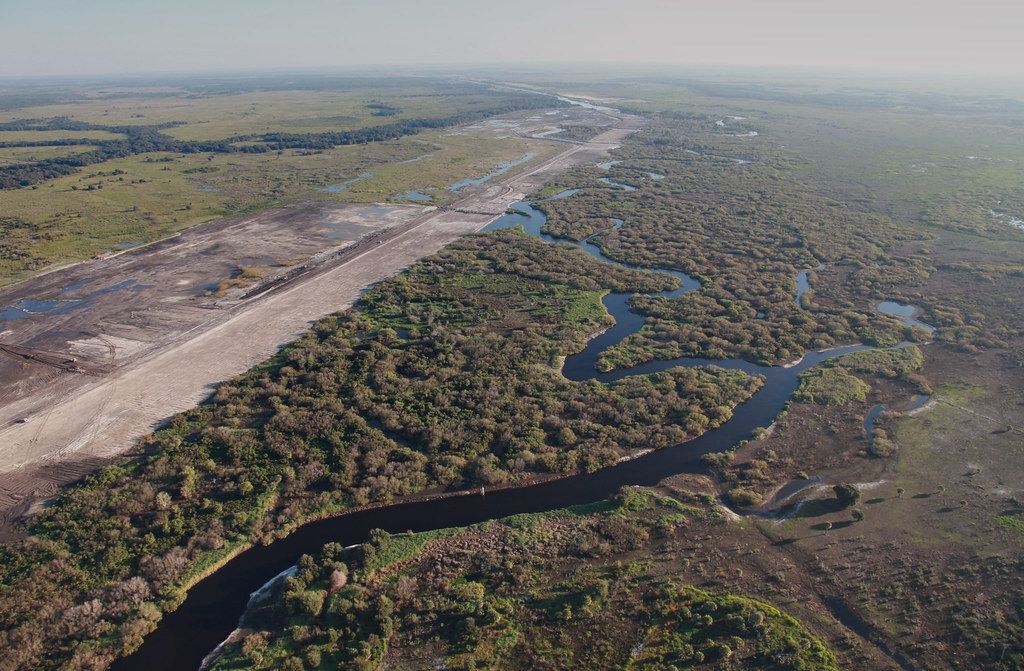
The water that starts in the lakes around Kissimmee does not stay there. It flows south, lake to lake, into Lake Kissimmee, and from there down the Kissimmee River to Lake Okeechobee, and from Okeechobee south into the Everglades. The river is the middle link in that long chain, and its story is one of the most interesting in modern Florida: a winding river turned into a ditch, and then, decades later, coaxed back into a river again.
A river that wandered
In its natural state the Kissimmee River twisted and looped across a broad, flat floodplain on its way south. The distance between its two lakes is not great as the crow flies, but the river wandered so much that its channel was roughly twice as long. In the wet season it spilled over its banks and spread across the floodplain for months, creating a huge sheet of marsh and wet prairie.
That slow, shallow water was the river's strength. It fed fish, frogs and insects, and those fed vast numbers of wading birds and waterfowl. It also cleaned the water and held it back, releasing it gently towards Lake Okeechobee.
The land around it was cattle country, and much of it still is. Cow hunters drove herds across these prairies long before the theme parks arrived, and the ranches that line the river today are a reminder that this part of Florida has always been more about grass, water and cattle than about beaches.
Why it was straightened
After damaging floods in the 1940s, there was strong pressure to control water in central and south Florida. In the 1960s the river was dredged into a wide, straight canal, cutting through the bends and draining much of the floodplain. The canal moved water quickly and opened land for cattle and development.
The results became clear within a few years. The marshes dried out, the old river bends stagnated, and the birds that depended on the floodplain declined sharply. Water reached Lake Okeechobee faster and dirtier than before. Many people who had pushed for the canal came to see it as a mistake.
Putting the bends back
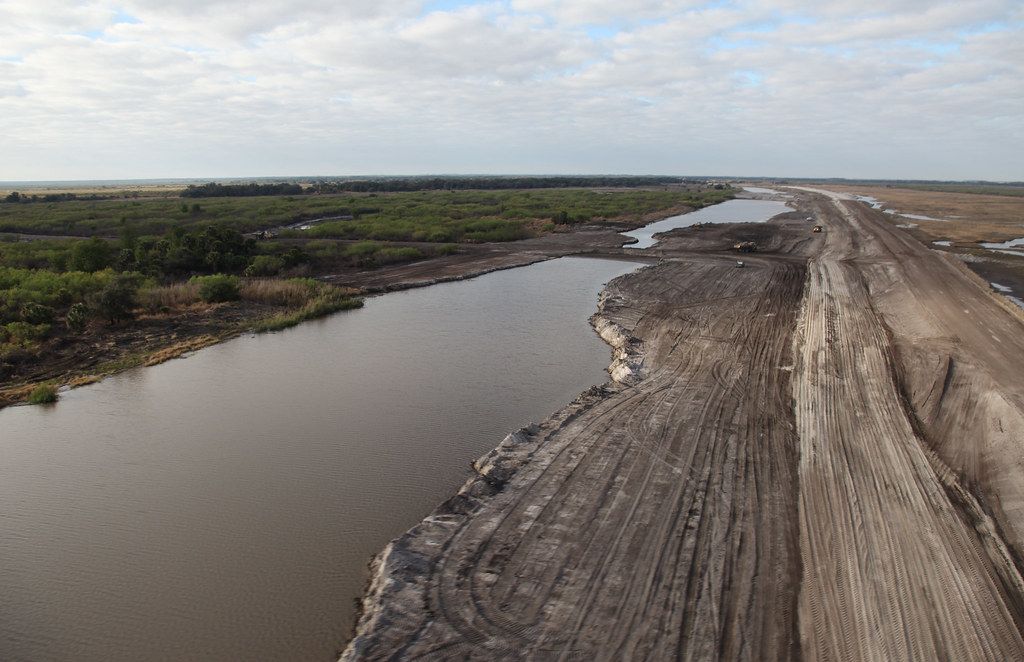
The restoration that followed is one of the largest of its kind anywhere. Engineers filled in long sections of the canal, reconnected the old river bends and allowed the water to spill back over its floodplain. Some structures were removed, and the rules for releasing water from the lakes upstream were changed so the river flows more like it once did.
The work has restored a long stretch of the river and floodplain, and the change is visible from the air and from the ground. Water winds again through oxbows that sat dry for decades. Marsh grasses and broadleaf plants have returned, and so has much of the wildlife. Parts of the river system are still managed and monitored, and the work on the wider Everglades continues, so think of it as a recovery under way rather than a finished job.
 Another dayLake Kissimmee State Park
Birds of the floodplain
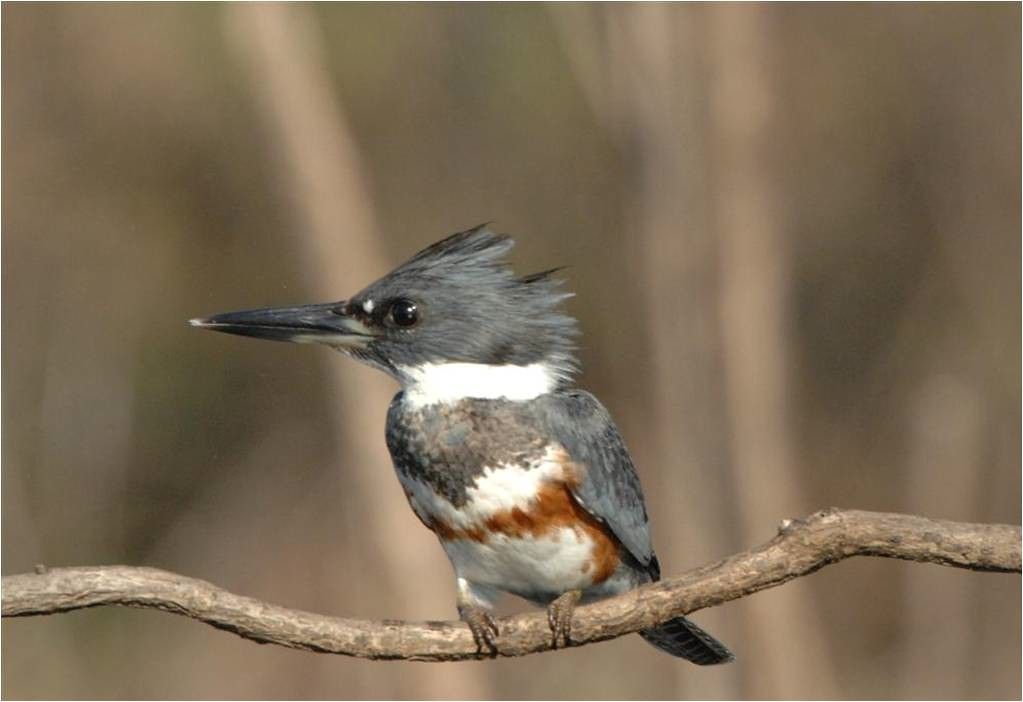
For a villa group, the reward is wildlife. On a cool morning the restored floodplain can be full of birds: herons, egrets, white ibis and wood storks working the shallows, ducks in the winter months, and bald eagles and ospreys watching from dead trees. Belted kingfishers patrol the channels, rattling as they fly. Sandhill cranes walk the wet prairie, and you may hear them before you see them.
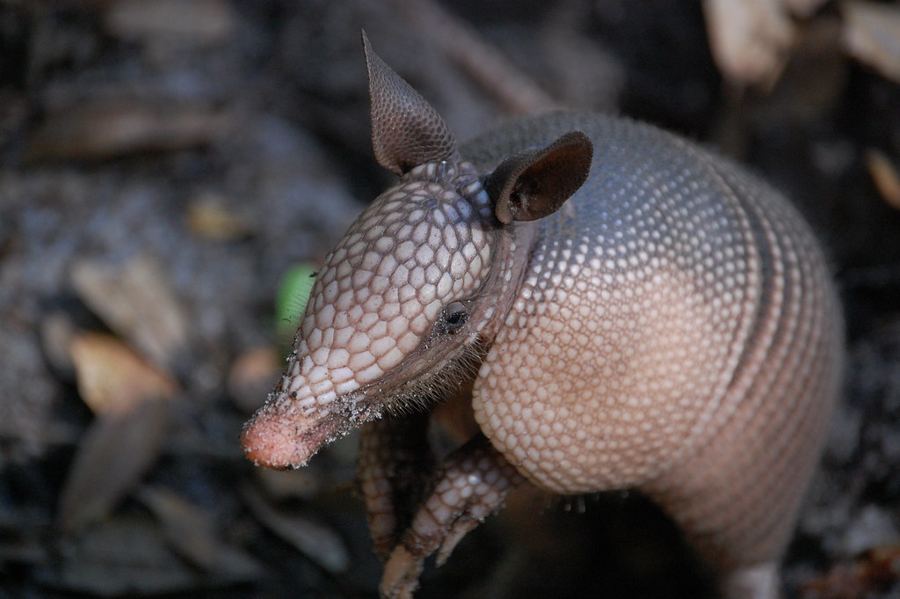
Alligators are common in the river and the marshes. Keep a good distance, never feed them (it is illegal in Florida), and keep children and dogs away from the water's edge, especially around dusk.
How to see the river
The river runs through remote ranch country, and access is mostly through public lands, boat ramps and wildlife management areas rather than towns. Roads such as SR 60 cross the river, and there are public boat ramps and recreation areas along its length. Parts of the Florida Trail follow the river corridor, offering long, open walks with wide views.
- Check which access points are open; some areas have seasonal hunts or close after high water.
- Expect few or no facilities. Carry water, food and sun protection.
- Bring binoculars; the birds are often at a distance across open marsh.
- Fishing needs a Florida freshwater licence for most visitors.
Airboat rides run on several stretches of the river and on the nearby lakes. They can be a thrill for teenagers and a fast way to reach the marshes, but they are loud, so carry ear protection, especially for children, and choose a licensed operator who keeps a respectful distance from wildlife. Kayaking is quieter but means planning around wind, distance and heat, and is best left to experienced paddlers.
Why it matters, and how to fit it in
The Kissimmee River is the headwater of the Everglades system. What happens here shapes the water that reaches Lake Okeechobee and, eventually, the wetlands far to the south. A day spent on the river helps children see how the lakes near the villa, the river and the Everglades are all one connected body of water.
Combine the river with a morning at Lake Kissimmee State Park, which sits at the top of the river, or with a paddle on Shingle Creek, the small stream near Kissimmee where this whole system begins. Go in the cooler months, start early, and be back on the road before the afternoon storms that build over the open prairie in summer.